
Domain Name Search
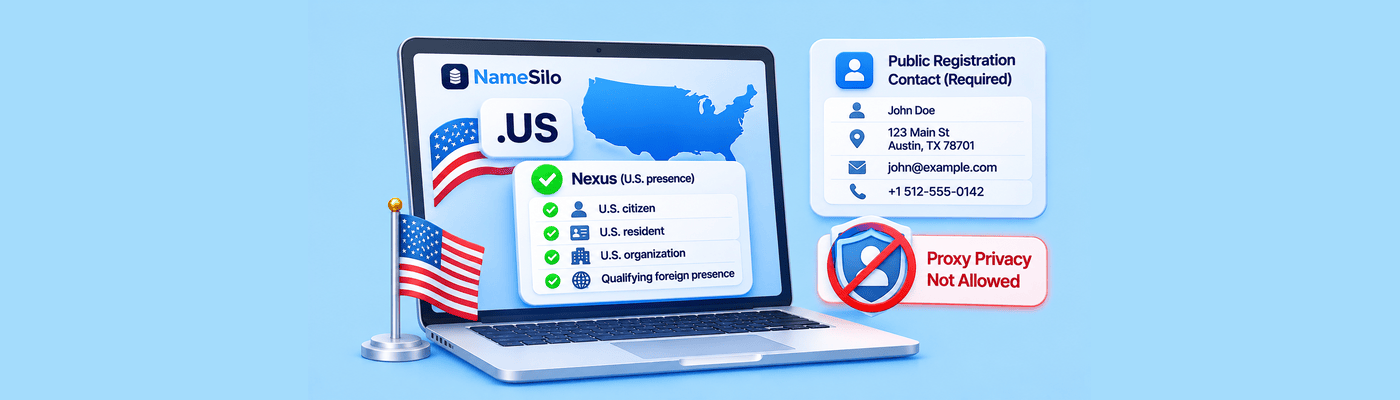
.us Domain Requirements: Nexus Rules and Why Privacy Isn't Allowed
Learn who can register a .us domain, how Nexus requirements work, why WHOIS privacy is prohibited, and what happens if eligibility fails.
Fresh perspectives and practical advice, all in one place.
Learn who can register a .us domain, how Nexus requirements work, why WHOIS privacy is prohibited, and what happens if eligibility fails.

Learn why many domains can only be registered up to 10 years ahead, how rolling renewals work, and why “100-year domains” are not 100-year registry terms.

Learn how to prune a domain portfolio by comparing renewal costs, sale probability, demand signals, and discount tiers before deciding what to drop.

Learn how TTM net cash flow, renewal costs, revenue durability, and negotiated multiples shape the value of income-producing domain portfolios.

Learn how domain sell-through rate affects portfolio profitability, renewal costs, pricing strategy, and the break-even point for domain investors.

Direct navigation traffic still holds real value, but it now concentrates in actively owned, branded domains rather than passively across any generic keyword the way older domainer assumptions held. At a $10 CPC, 1,000 monthly direct visits offset $10,000 in ad spend. Clean .com domains retain the bulk of remaining type-in behavior over newer TLDs.

The RAA is the binding contract every gTLD registrar signs with ICANN, requiring WHOIS email verification within 15 days, weekly data escrow with an independent third party, and an active abuse desk. If a registrar fails, escrowed data lets ICANN transfer domains to a stable registrar. Choosing an accredited registrar means these protections are contractual, not optional.
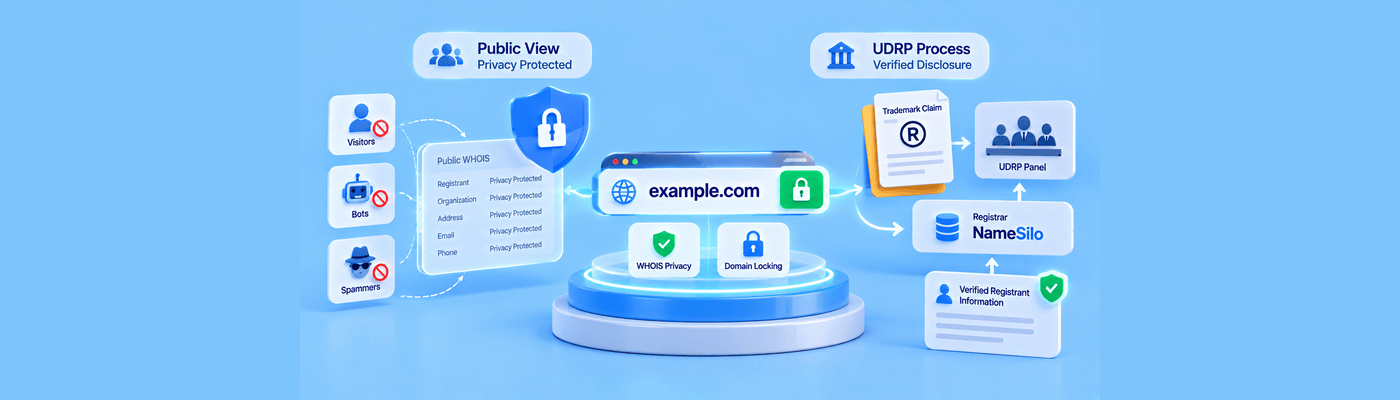
Learn why WHOIS privacy does not block UDRP complaints, how registrant data is disclosed during disputes, and what domain locking means.

Learn how to use the Wayback Machine to inspect an expired domain’s history for spam, PBN activity, topic changes, and risky past content.
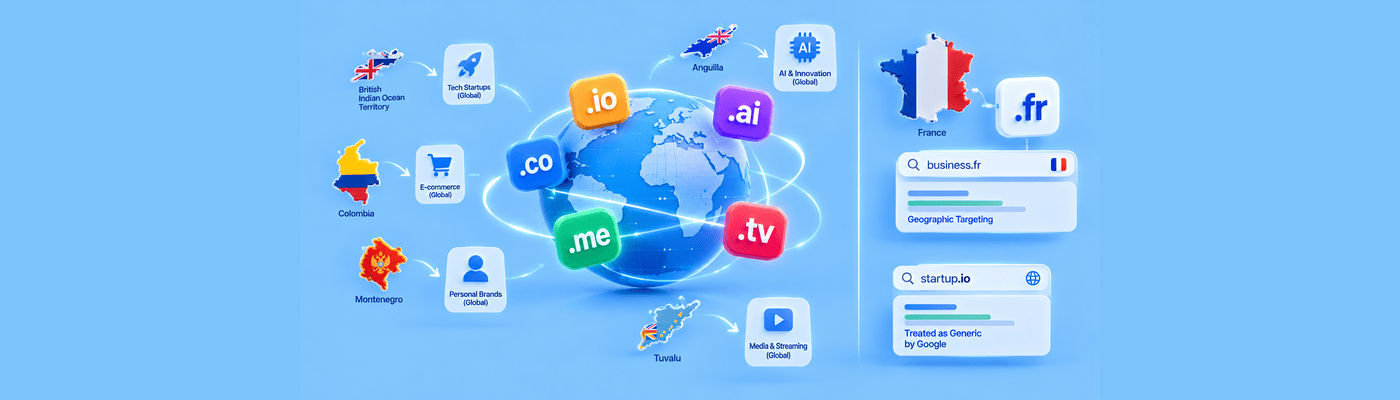
gccTLDs are ccTLDs like .io, .co, .me, .ai, and .tv that Google officially reclassifies as generic, confirmed in Google's own developer documentation, removing the automatic geographic signal a strict ccTLD carries. Unlike gccTLDs, a true country-code domain like .fr cannot be manually retargeted, anchoring SEO to that single country permanently.
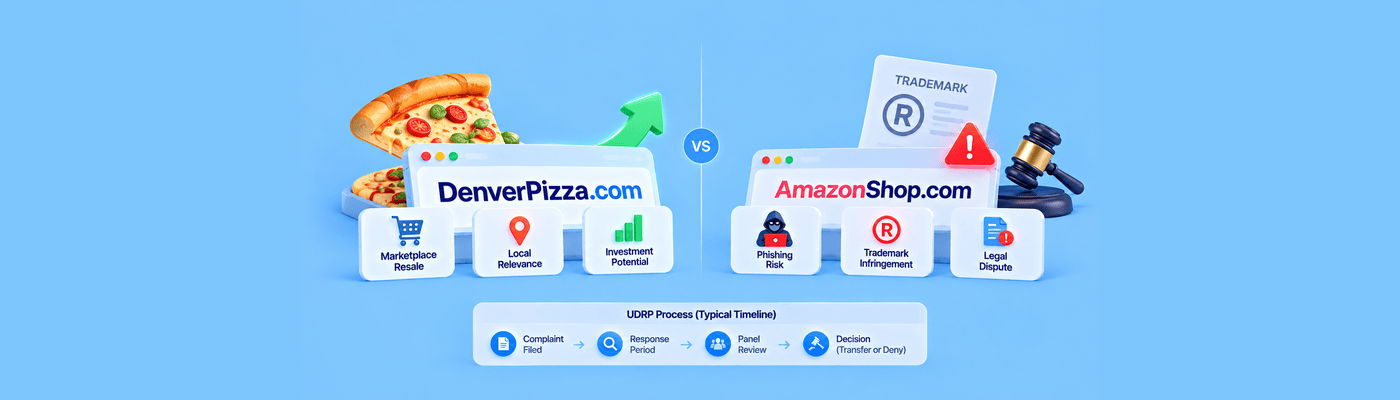
Learn the difference between legitimate domain investing and cybersquatting, including bad faith, trademarks, typosquatting, and UDRP risk.

Learn how .ai domain registration works, including its two-year minimum term, renewal rules, pricing structure, and global SEO treatment.