
Domain Name Search3 min
Cybersquatting vs. Legitimate Domain Speculation
NS
NameSilo Staff10/14/2026
Share
This article is for educational purposes only and does not constitute legal advice. Consult a qualified attorney regarding any specific domain dispute.
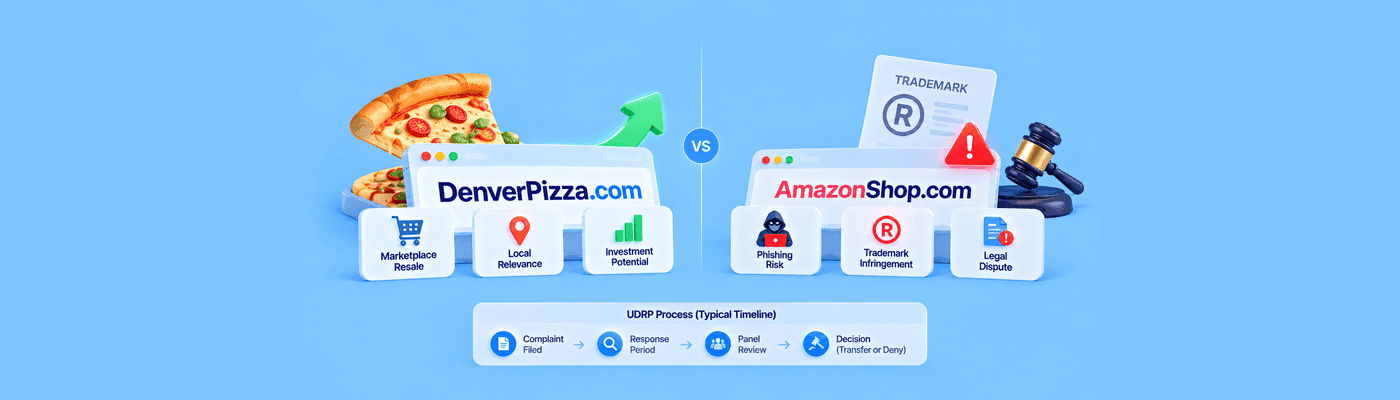
Legitimate domain speculation involves investing in generic dictionary words, geographic terms, or descriptive phrases (e.g., DenverPizza.com) for resale. Cybersquatting is the bad-faith registration of a recognized, trademarked brand name (e.g., a domain closely mimicking an established pizza chain's actual brand) with the specific intent to extort the trademark owner, steal their traffic, or damage their brand reputation.
The ACPA and the UDRP Test
The Anticybersquatting Consumer Protection Act (ACPA) and ICANN's UDRP both apply the same core question: was this domain registered and used in bad faith, specifically targeting someone else's trademark rights. A complainant must show the domain is confusingly similar to their mark, that the registrant has no legitimate interest in it, and that bad faith is present. Miss any one of these three, and the case fails.
Deep Dive: Legitimate Speculation
Generic English words describing a product, service, or place belong to no one. Cars.com and Loans.com are real, legitimately held domains precisely because they describe a category, not a specific company's brand identity. Investing in DenverPizza.com falls squarely into this category too, it describes a general search intent, pizza options in Denver, not any single trademarked business.
Deep Dive: Cybersquatting and Bad Faith
Cybersquatting looks different in practice. It's registering a domain that closely mimics an established brand's actual trademark, then using it to phish for login credentials, redirect traffic to a competitor, or demand a payout from the trademark holder before releasing it. The intent is what separates this from speculation, targeting a specific company's identity rather than a generic market category.
The Chronological Defense
If you registered a domain before a trademark on that term even existed, bad faith registration is logically impossible, you cannot have targeted rights that didn't exist yet. This defense has real, current teeth. In a February 2026 case, a panel found reverse domain name hijacking specifically because the complainant's trademark postdated the disputed domain's registration, filing anyway despite that timeline being publicly verifiable. Courts and panels take this seriously precisely because it's objectively checkable.
Common Mistakes
Assuming a deliberate misspelling escapes liability: Registering an obvious typo of a famous trademark and assuming "it's spelled differently" provides legal cover is a common, costly misunderstanding. UDRP panels and courts routinely find confusingly similar misspellings just as actionable as an exact match, since the entire point of typosquatting is exploiting a name close enough to fool an inattentive visitor.
What This Means for You
Confirm any domain's exact registration date through WHOIS, often the single most important piece of evidence in a chronological defense. If you're facing a dispute and need guidance on next steps, reach out through NameSilo Support.
Frequently Asked Questions
What is the legal definition of cybersquatting?
Bad-faith registration of a domain matching someone else's trademark for profit or harm.
Is it legal to buy and sell domain names?
Yes, for generic, non-trademarked terms, this is standard, legitimate business activity.
Can I register a domain with a trademarked word?
Generally no, if it targets that specific brand rather than describing a generic category.
What is legitimate domain speculation?
Investing in generic, descriptive domain names for resale value, not brand infringement.
What proves bad faith in a domain dispute?
Evidence the domain was registered specifically to exploit someone else's trademark rights.
Can a company take my generic domain name?
Not through UDRP or ACPA if the domain predates their trademark or describes a category.
What is typosquatting?
Registering deliberate misspellings of a trademark to confuse or exploit its traffic.
How does NameSilo handle cybersquatting complaints?
Trademark disputes are resolved through the independent UDRP process, not directly by

NameSilo StaffThe NameSilo staff of writers worked together on this post. It was a combination of efforts from our passionate writers that produce content to educate and provide insights for all our readers.
More articleswritten by NameSilo