Time Zone Considerations in Global Domain Management Operations

In our interconnected digital landscape, domain management has evolved from a simple local task to a complex global operation spanning multiple time zones, regulatory frameworks, and technical infrastructures. Understanding how time zones impact domain operations is essential for maintaining reliable, accessible web services and avoiding costly disruptions.
The Global Nature of Modern Domain Infrastructure
Domain management today operates on a 24/7 global scale, with users accessing websites and services around the clock from every corner of the world. This reality means that routine maintenance windows, renewal deadlines, and technical updates must be carefully coordinated across multiple time zones to minimize disruption.
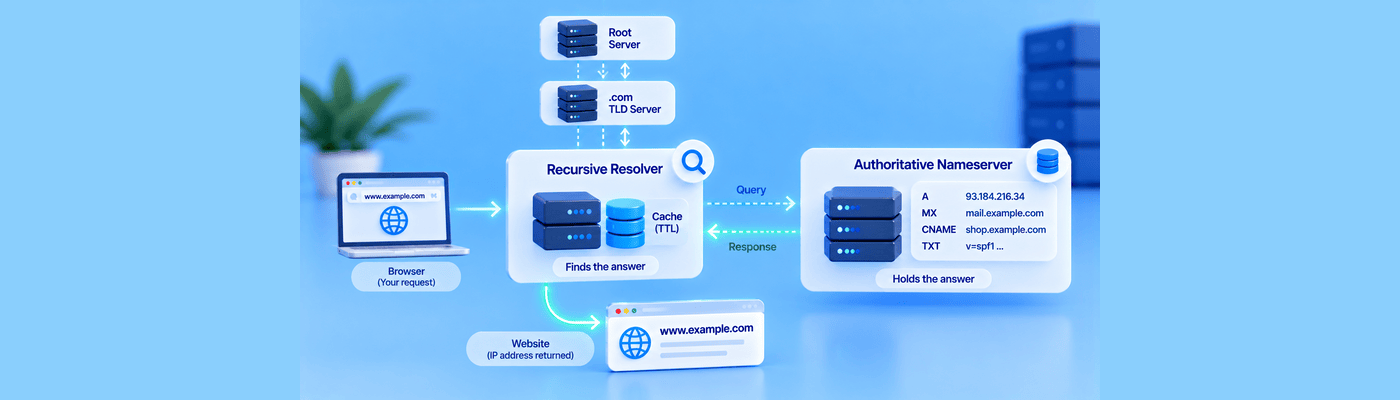
The Domain Name System itself operates as a distributed global network, with authoritative name servers, recursive resolvers, and root servers spread across different continents and time zones. This distribution provides redundancy and performance benefits but also creates complexity in coordinating updates and maintenance activities.
DNS Propagation and Time Zone Implications
When domain changes are made, DNS propagation occurs gradually across the global network of servers. This process doesn't follow time zone boundaries but rather depends on TTL (Time to Live) values and the hierarchical structure of DNS resolution.
Understanding propagation timing helps domain administrators plan updates strategically. Changes made during low-traffic periods in primary user time zones can minimize the impact of temporary inconsistencies during propagation. This consideration becomes particularly important for businesses operating across multiple regions with different peak usage patterns.
Registry Operations and Time Zone Coordination
Different top-level domain registries operate from various time zones and maintain distinct operational schedules. Country code domains often align with their respective national time zones, while generic domains may operate from multiple locations or follow specific coordinated schedules.
Registry maintenance windows, system updates, and policy changes typically occur during predetermined time slots that may not align with all users' business hours. Organizations managing domains across multiple registries must track these schedules to avoid conflicts and ensure business continuity.
Domain Expiration and Renewal Timing
Domain expiration dates are typically recorded in UTC (Coordinated Universal Time) to maintain consistency across the global system. However, the practical implications of expiration timing can vary significantly depending on the registrar's operational time zone and renewal processing schedules.
A domain expiring at midnight UTC might still be accessible during business hours in some regions while already expired in others. This timing difference can create confusion for domain owners and emphasizes the importance of early renewal processes well before expiration dates.
SSL Certificate Management Across Time Zones
SSL certificate lifecycles intersect with domain management in ways that are heavily influenced by time zone considerations. Certificate expiration times are recorded in UTC, but the practical impact of expiration depends on when users access the site and when renewal processes occur.
Managing SSL certificates for global operations requires careful coordination of renewal schedules with business operations across different regions. Automated renewal systems help mitigate timezone-related oversights, but strategic timing remains important for maintaining seamless user experiences.
Global User Experience and Access Patterns
Understanding global user access patterns helps inform domain management decisions that affect performance and availability. Peak usage times vary dramatically across regions, and maintenance activities should be scheduled to minimize impact on the largest user populations.
Load balancing and content delivery considerations also intersect with time zone management, as traffic patterns shift throughout the day across different geographic regions. Domain configuration changes can have immediate impacts on users in some regions while affecting others during their peak usage periods.
Technical Maintenance Window Coordination
Coordinating maintenance windows across global operations requires sophisticated planning to account for business hours, peak traffic periods, and technical dependencies spanning multiple time zones. The challenge lies in finding optimal times that minimize business impact while allowing sufficient time for complex operations.
Many organizations establish rolling maintenance schedules that take advantage of natural low-traffic periods in different regions. This approach allows for gradual rollout of changes while maintaining service availability for the majority of users at any given time.
Hosting Infrastructure and Time Zone Alignment
The relationship between domain management and hosting infrastructure becomes complex when operations span multiple time zones. Server maintenance, backup operations, and performance monitoring must be coordinated with domain management activities to ensure system reliability.
Hosting providers operating across multiple regions often maintain separate operational schedules for different data centers, requiring domain administrators to understand and coordinate with these varied timelines when planning changes or troubleshooting issues.
Legal and Compliance Considerations
Regulatory compliance often involves time-sensitive requirements that must be met within specific time zones or business hours. Domain ownership verification, legal process compliance, and regulatory reporting may need to align with specific regional time zones regardless of where technical operations are managed.
Understanding the legal time zone requirements for different domains becomes particularly important for organizations operating across multiple jurisdictions with different regulatory frameworks and compliance schedules.
Crisis Management and Emergency Response
Domain-related emergencies don't follow business hours, and effective crisis response requires consideration of time zone impacts on resolution efforts. Technical support availability, decision-maker accessibility, and vendor response times all vary based on time zone alignment.
Establishing clear escalation procedures that account for global time zone coverage ensures that critical domain issues can be addressed promptly regardless of when they occur. This preparation is essential for maintaining business continuity and user trust.
Automation and Scheduled Operations
Modern domain management increasingly relies on automated systems to handle routine tasks like renewals, DNS updates, and monitoring. These systems must be carefully configured to account for time zone differences and avoid conflicts with business operations or user access patterns.
Scheduling automated operations requires understanding not just technical requirements but also business impact across different regions. Automated renewal processes, for example, should be timed to provide adequate notice and response time across all relevant time zones.
Communication and Stakeholder Management
Managing domains across multiple time zones requires effective communication strategies that ensure all stakeholders receive timely information about changes, maintenance, or issues. This challenge extends beyond technical coordination to include business stakeholders, customers, and third-party vendors.
Establishing clear communication protocols that account for time zone differences helps ensure that critical information reaches the right people at appropriate times, preventing misunderstandings and coordination failures.
Performance Monitoring and Analytics
Domain performance monitoring takes on additional complexity when operations span multiple time zones. Traffic patterns, performance metrics, and issue detection must be analyzed with consideration for regional variations and time zone impacts.
Understanding how domain performance varies across different time zones helps inform optimization decisions and capacity planning. Peak usage periods in one region may coincide with maintenance windows in another, creating opportunities for efficient resource allocation.
Strategic Planning for Global Operations
Long-term domain strategy must account for the ongoing challenges and opportunities presented by global time zone management. This includes planning for expansion into new regions, optimizing operational efficiency across time zones, and building resilient systems that can operate effectively around the clock.
Organizations expanding their global presence need to consider how time zone complexity will affect their domain management operations and build appropriate processes and systems to handle this complexity effectively.
Best Practices for Multi-Zone Domain Management
Successful global domain management requires establishing clear processes, automated systems, and communication protocols that account for time zone complexity while maintaining operational efficiency. This includes implementing monitoring systems that provide 24/7 visibility, establishing clear escalation procedures, and building redundancy into critical operations.
The key to effective global domain management lies in understanding that time zones are not just technical considerations but strategic factors that impact user experience, business operations, and long-term success. Organizations that master these complexities gain significant competitive advantages in our globally connected digital economy.
When registering domains for global operations, consider not just the immediate technical requirements but also the long-term implications of managing those domains across multiple time zones and operational contexts. This strategic approach ensures that domain infrastructure supports rather than hinders global business objectives.
NameSilo Staff
The NameSilo staff of writers worked together on this post. It was a combination of efforts from our passionate writers that produce content to educate and provide insights for all our readers.