The Hosting Transparency Challenge: Why Users Demand More Than Uptime Guarantees

For years, web hosting companies have promoted uptime guarantees as their ultimate promise. The logic was simple: if your website stays online, your hosting provider has done its job. But in 2025, users are demanding more. Uptime alone no longer defines reliability or value. Instead, businesses and individual site owners are scrutinizing the fine print of hosting agreements, including pricing models, hidden fees, security practices, support quality, and even sustainability. Hosting transparency has become a core expectation, not a marketing slogan.
The shift is fueled by experience. Too many customers have discovered the hard way that a 99.9% uptime guarantee does not prevent surprise outages, unclear billing, or lack of support during crises. Hosting providers that hide behind technical guarantees without providing openness risk losing trust. The transparency challenge is about more than performance metrics; it’s about honesty and accountability in every interaction.
Why Uptime Is Only the Starting Point
Uptime remains critical, of course. A site that goes offline repeatedly cannot compete in today’s digital environment. But uptime is now a baseline expectation, not a differentiator. Most modern providers use redundant systems and failover protocols to achieve high availability. What separates great hosts from mediocre ones is how they handle everything else. Users want to know what happens when problems arise, what support channels exist, and how quickly resolutions are delivered. Transparency in these areas defines customer satisfaction more than a static uptime percentage ever could.
The Cost of Hidden Pricing Models
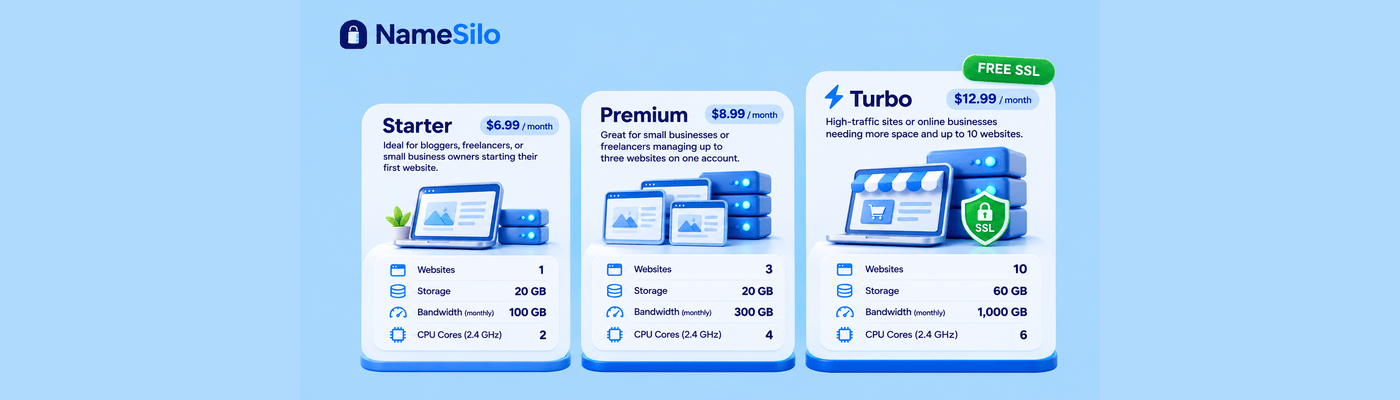
One of the biggest complaints in hosting today is opaque pricing. Providers lure customers with low introductory rates, only to double or triple costs on renewal. Others tack on hidden fees for backups, SSL certificates, or basic support features. Customers increasingly see these practices as deceptive. In 2025, price transparency is as important as performance transparency. Businesses want predictable costs they can trust. Hosting companies that publish clear, consistent pricing and avoid bait-and-switch tactics stand out in a crowded market.
Security Without Clarity
Security has become another area where transparency matters. Providers often claim to deliver “secure hosting,” but what does that mean in practice? Are firewalls managed at the server level? Is malware scanning included? Are patches applied proactively? Without clear communication, customers can’t evaluate the true risk. Worse, vague promises may give a false sense of safety. Transparency in security is about defining exactly what protections are in place and what responsibilities remain with the customer. Clear boundaries build trust, while vague guarantees erode it.
The Role of Customer Support
Support has always been a differentiator in hosting, but transparency now extends into this realm as well. Customers want to know response times, escalation procedures, and availability before committing. Promises of “24/7 support” mean little if users face long waits or scripted replies. Providers that publish real performance data, such as average response times, satisfaction ratings, and support policies, signal accountability. In an era where reputation spreads instantly through reviews and forums, support transparency has a direct business impact.
Sustainability and Ethical Hosting
Another layer of transparency gaining attention is sustainability. Customers increasingly want to know where data centers are located, what energy sources they rely on, and whether operations align with environmental values. Hosting companies that conceal or ignore these details risk alienating eco-conscious businesses. Transparent communication about sustainability efforts, even if not perfect, resonates with users who want to align their digital presence with broader values. In 2025, transparency is also about ethics.
The Trust Equation in Hosting
At its core, the hosting transparency challenge is about building trust. Technical guarantees no longer impress customers by themselves. Trust comes from consistent honesty: pricing that doesn’t shift unexpectedly, support that responds as promised, and clear policies about what is and isn’t included. This trust translates directly into loyalty, referrals, and long-term contracts. Providers who embrace transparency win not only customers but advocates.
Why Hosting Needs Transparency Beyond Uptime
In 2025, uptime guarantees are no longer enough to convince discerning customers. Hosting transparency requires openness in pricing, security, support, and even environmental impact. Businesses want partners, not just providers. Companies that meet this demand create stronger relationships, while those that cling to vague guarantees risk obsolescence. The future of hosting belongs to those who embrace accountability at every level.
At NameSilo, we believe transparency is non-negotiable. From clear pricing to reliable support and secure hosting infrastructure, we make sure you always know what to expect. With NameSilo, hosting isn’t just about uptime; it’s about trust.
NameSilo Staff
The NameSilo staff of writers worked together on this post. It was a combination of efforts from our passionate writers that produce content to educate and provide insights for all our readers.