The Future of Shared Hosting in a Zero-Trust Security World

Shared hosting has long been the entry point for businesses and individuals launching websites. Its appeal lies in affordability and simplicity; multiple sites share server resources, reducing costs. But in 2025, the cybersecurity landscape is changing. The rise of zero-trust security principles is reshaping expectations, challenging shared hosting to evolve.
Zero-trust security assumes that no user, device, or process should be trusted by default. Every interaction requires verification. Applying this philosophy to shared hosting raises questions: Can multiple tenants share infrastructure without undermining trust? And how can providers adapt to align shared environments with zero-trust principles?
The Traditional Weakness of Shared Hosting
Shared hosting has historically faced criticism for security limitations. When multiple websites share the same resources, vulnerabilities in one site can expose others. Weak isolation, outdated software, and poor management practices made shared hosting less attractive to security-conscious users.
These weaknesses created reputational challenges. Shared hosting became associated with risk, even as providers improved reliability. In a world moving toward zero-trust, these criticisms take on new urgency. Shared hosting must prove it can adapt to modern security expectations.
Zero-Trust Principles and Shared Hosting
Zero-trust emphasizes verification, segmentation, and continuous monitoring. For shared hosting, this means stronger isolation between tenants, rigorous authentication processes, and real-time visibility into potential threats. Providers cannot assume that all sites on a server are safe; they must treat each as a potential risk.
Implementing zero-trust requires changes at both technical and cultural levels. Providers must adopt architectures that enforce strict separation, invest in monitoring tools, and educate customers on best practices. Transparency about these efforts becomes a trust signal in itself.
The Role of Isolation in Security
Isolation is the cornerstone of applying zero-trust to shared hosting. Virtualization and containerization technologies allow providers to segment environments more effectively. Each tenant operates within a secure compartment, minimizing the risk of cross-contamination.
This evolution reframes shared hosting not as inherently insecure but as dependent on effective design. With strong isolation, shared environments can align with zero-trust principles, offering both affordability and security.
Continuous Monitoring and Verification
Zero-trust requires constant vigilance. For shared hosting, this means continuous monitoring of traffic, processes, and configurations. Anomalies must be flagged and verified, preventing small issues from escalating. Automation and AI play crucial roles in making this level of oversight possible at scale.
Verification also extends to customer access. Strong authentication, least-privilege permissions, and routine audits ensure that even trusted users cannot bypass safeguards. These measures reflect zero-trust in practice, making shared hosting more resilient.
Economic and Strategic Benefits
Adopting zero-trust in shared hosting is not just about security; it is about competitiveness. Businesses value cost-effective hosting, but not at the expense of trust. Providers that demonstrate alignment with zero-trust principles differentiate themselves in a crowded market.
This evolution also expands shared hosting’s audience. Once dismissed as insecure, it can now appeal to users who demand both affordability and safety. By redefining perceptions, shared hosting providers can capture segments previously out of reach.
The Future of Shared Hosting
In the coming years, shared hosting will either embrace zero-trust or risk obsolescence. Providers that fail to adapt will lose credibility, while those that innovate will position shared hosting as a secure foundation for startups, small businesses, and beyond.
The integration of zero-trust does not eliminate all risks, but it changes the narrative. Shared hosting can evolve from a perceived liability into a strategic choice, balancing accessibility with resilience. In a zero-trust world, trust is not assumed; it is earned through transparency and rigor.
Shared Hosting Reimagined
The zero-trust era challenges assumptions about shared hosting, but it also creates opportunities. By embracing isolation, verification, and monitoring, providers can transform shared hosting into a secure, reliable, and trusted option. The future of shared hosting lies not in clinging to old models but in reimagining its role through the lens of zero-trust.
For businesses, this means affordable hosting no longer requires compromising on security. In 2025, shared hosting can be both accessible and trustworthy, provided providers make zero-trust their guiding principle.
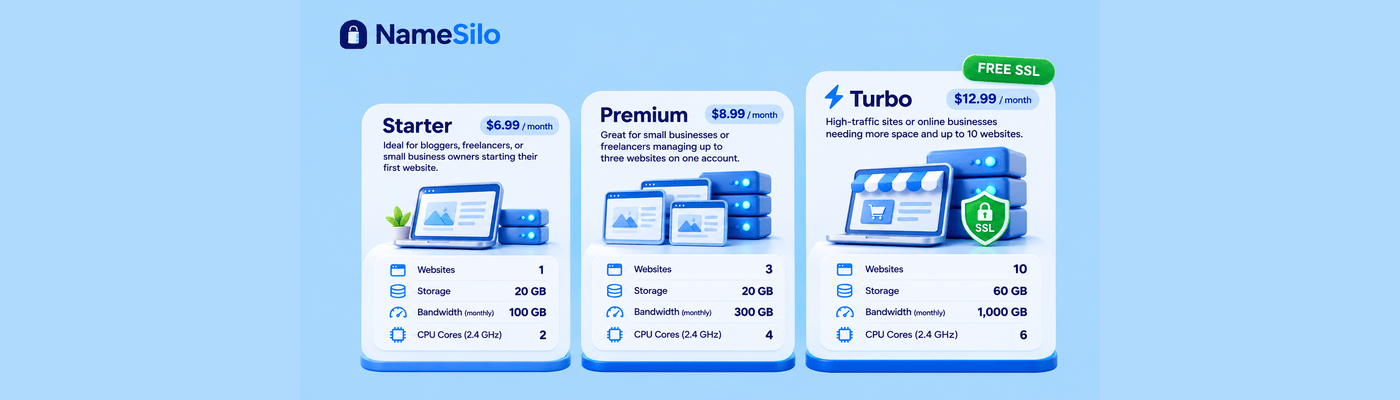
At NameSilo, we offer shared hosting solutions designed with modern security in mind. By prioritizing transparency, isolation, and resilience, we help businesses succeed in a zero-trust digital world.
NameSilo Staff
The NameSilo staff of writers worked together on this post. It was a combination of efforts from our passionate writers that produce content to educate and provide insights for all our readers.