The Shared Hosting Advantage for Seasonal Businesses

Why Seasonal Businesses Need a Smart Hosting Strategy
From tax preparation services that boom between January and April, to festive online storefronts selling Halloween costumes or Christmas gifts, seasonal businesses have unique operational rhythms. Their website traffic surges at specific times of the year, and for the rest of the calendar, they might see minimal to moderate engagement.
Unlike traditional businesses with consistent year-round demand, seasonal operations face a challenge: how to balance reliable online performance during peak periods without overpaying for hosting services they barely use off-season.
This is where shared hosting steps into the spotlight as a powerful and practical solution.
Shared Hosting: A Perfect Fit for Periodic Demand
Shared hosting is often associated with beginners and budget-conscious users, but in reality, it offers a sweet spot for many seasonal businesses:
- Cost-efficiency: Shared hosting is significantly more affordable than VPS or dedicated servers, making it ideal for businesses that only need intensive resources part of the year.
- No long-term infrastructure lock-in: You pay for what you need, and you’re not investing in capacity that sits idle.
- Managed services included: With shared hosting, there’s no need to handle server maintenance, software updates, or complex configurations; everything is taken care of, so business owners can focus on sales.
Whether you run a summer-only travel agency, a holiday-themed print-on-demand shop, or a short-term contest site for a product launch, shared hosting allows you to deploy and maintain a professional online presence with minimal technical overhead.
Real-World Use Cases: Who’s Using Shared Hosting Seasonally?
1. Tax Prep & Accountancy Services
Firms offering tax filing assistance often need a polished, secure website only for a few months each year. With shared hosting, they can:
- Launch during January–April peak
- Handle increased form submissions and user logins securely
- Use caching/CDN tools to manage bursts of traffic
- Downgrade or pause service during the off-season
2. E-commerce Holiday Pop-Ups
Online retailers focusing on gifts, seasonal merchandise, or themed events (like Valentine’s Day or Halloween) need:
- A storefront with fast load times and payment gateway support
- SSL certificates and checkout security
- Scalability to manage traffic surges from marketing campaigns
Shared hosting, especially with built-in tools like Softaculous or WooCommerce support, makes launching these pop-up shops simple and quick.
3. Summer Camps and Tourism Sites
Activity-driven businesses, like summer camps or winter retreats, often operate with:
- Registration portals and itinerary pages
- Embedded video and photo galleries
- SEO-optimized content for seasonal search traffic
With shared hosting, they benefit from rapid deployment, CMS integrations like WordPress, and domain email support for camper inquiries, all without needing year-round DevOps resources.
Shared Hosting Doesn’t Mean Compromising Performance
There’s a misconception that shared hosting can’t handle serious traffic. But in 2025, modern shared hosting environments are surprisingly robust:
- SSD storage and cloud integration offer reliable uptime and fast page loads
- Built-in caching systems like LiteSpeed or Varnish help serve content quickly
- CDN compatibility ensures users get the best experience regardless of location
- Resource monitoring dashboards let you track usage and upgrade as needed
For seasonal brands, this means you get top-tier tools and performance, without paying for infrastructure that sits dormant for 8+ months a year.
Smart Scaling: What Happens When You Outgrow It?
Shared hosting isn’t a forever solution for everyone. But it’s an excellent launchpad. When you start seeing higher or more consistent year-round traffic, you can:
- Upgrade to a premium shared plan with more bandwidth and features
- Move to a VPS or cloud-based setup with your provider (most transitions are seamless)
- Integrate load balancers or offload traffic to CDNs for static assets
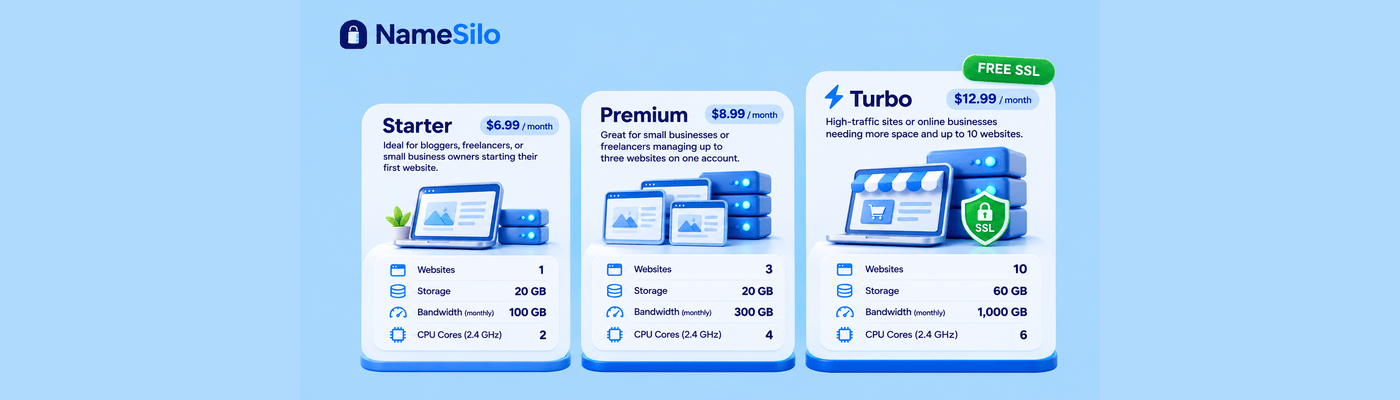
At NameSilo, our shared hosting plans are structured to accommodate this growth, ensuring you don’t have to rip and replace when you evolve. Our Premium and Turbo plans come with higher resource limits, priority support, and compatibility with caching systems to handle spikes gracefully.
Domain + Hosting: A Seasonal Branding Power Move
If you operate seasonally, your domain name and hosting package should reflect agility and clarity. Here’s how:
- Use relevant domain extensions like .store, .shop, or .fun to make seasonal intent clear (e.g., halloweenfun.store)
- Host microsites under subdomains of your brand (e.g., summer2025.yourbrand.com) on shared hosting for lower cost
- Redirect domains during off-seasons to a contact page, mailing list opt-in, or teaser for next season’s launch
Shared hosting makes these agile configurations fast and affordable.
Conclusion: The Smart Hosting Choice for Flexible Brands
Shared hosting isn’t just for newbies or bloggers, it’s a strategic, scalable choice for seasonal businesses that value performance, affordability, and flexibility.
By choosing shared hosting, you can:
- Launch quickly and professionally during your peak season
- Avoid unnecessary costs during off-months
- Upgrade easily as your brand grows
- Maintain a secure, trusted online presence year after year
And with NameSilo, you get more than hosting. You get a partner who understands the rhythms of seasonal commerce and provides the tools to succeed.
NameSilo Staff
The NameSilo staff of writers worked together on this post. It was a combination of efforts from our passionate writers that produce content to educate and provide insights for all our readers.