How to Choose the Best Hosting Plan for Your Website

Choosing the right hosting plan is one of the most crucial decisions when building a website. The hosting provider and plan you select will directly impact your website’s speed, security, scalability, and overall performance. Whether you're launching a personal blog, an eCommerce store, or a corporate website, understanding the different types of hosting and their features will help you make an informed choice.
Many beginners assume that all hosting plans are the same, but they differ in terms of performance, storage, security, and flexibility. Selecting the wrong plan can lead to slow load times, security vulnerabilities, and limitations that hinder growth. In this guide, we will explore the key factors to consider when choosing the best hosting plan for your needs.
Understanding Different Types of Hosting
Shared Hosting: The Budget-Friendly Choice
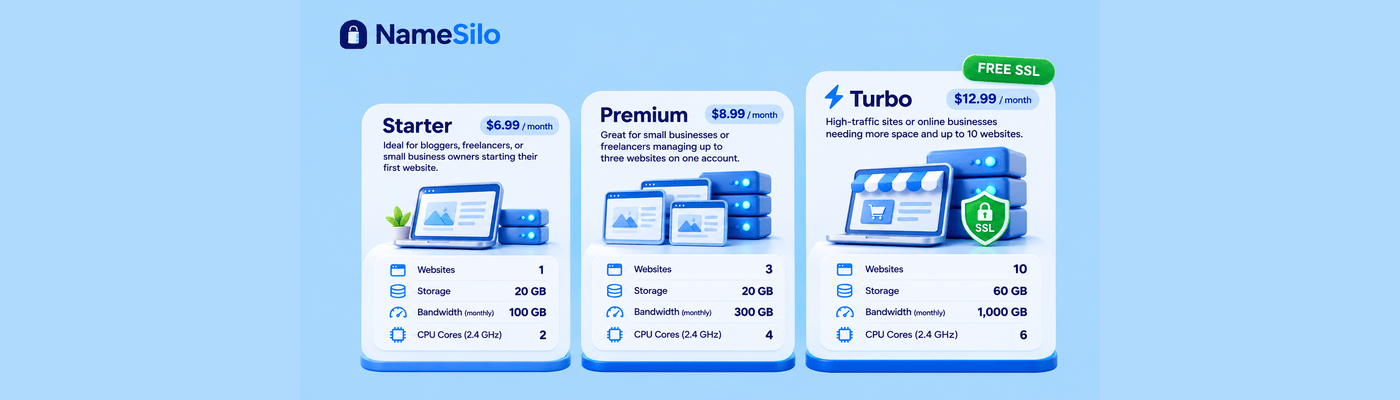
Shared hosting is one of the most affordable hosting solutions, making it ideal for beginners, personal websites, and small businesses. In a shared hosting environment, multiple websites share the same server resources, which helps keep costs low. However, because resources are shared, high traffic on one site can impact the performance of others.
This type of hosting is best suited for low to moderate-traffic websites that do not require extensive customization. While shared hosting offers ease of use and affordability, it may not be the best option for websites expecting rapid growth or handling sensitive data.
VPS Hosting: Greater Performance and Control
Virtual Private Server (VPS) hosting is a step up from shared hosting, offering a more balanced approach between affordability and dedicated resources. A VPS divides a physical server into multiple virtual servers, each with allocated resources. This means your website won't be affected by the performance fluctuations of other users on the same server.
VPS hosting is ideal for websites that require more processing power, scalability, and security. It allows users to customize server configurations, install applications, and implement advanced security settings. If you run an online store, business website, or application that requires stable performance, VPS hosting may be a better option.
Dedicated Hosting: Maximum Performance and Security
Dedicated hosting provides an entire server exclusively for your website, ensuring optimal performance and security. This type of hosting is commonly used by large businesses, enterprises, and high-traffic websites that demand significant resources.
While dedicated hosting offers superior control and customization, it comes with higher costs and requires technical expertise to manage the server effectively. If your business relies on high-performance hosting with extensive security measures, a dedicated server is a worthwhile investment.
Cloud Hosting: Scalable and Reliable
Cloud hosting utilizes a network of servers rather than relying on a single physical server. This ensures high availability, redundancy, and scalability, making it an excellent choice for businesses that experience fluctuating traffic.
With cloud hosting, websites can dynamically scale resources based on demand, ensuring that performance remains stable even during traffic spikes. It is a preferred choice for eCommerce platforms, media-heavy websites, and applications requiring high uptime.
Key Factors to Consider When Choosing a Hosting Plan
Performance and Speed
Website speed is crucial for user experience and search engine rankings. A slow website can drive visitors away and negatively impact conversions. When selecting a hosting plan, consider features like SSD storage, Content Delivery Network (CDN) integration, and caching mechanisms to optimize load times. Hosting providers that offer high uptime guarantees (99.9% or higher) ensure that your website remains accessible at all times.
Security and Data Protection
Cybersecurity threats continue to evolve, making security a priority when choosing a hosting plan. Look for hosting providers that offer built-in security features such as SSL certificates, DDoS protection, automated backups, malware scanning, and firewalls. If your website handles customer data or payment transactions, ensure that your hosting provider follows industry security standards to protect sensitive information.
Scalability and Growth Potential
Your hosting plan should align with your future growth expectations. If you anticipate an increase in traffic or business expansion, choose a hosting provider that allows easy upgrades. Cloud hosting and VPS hosting provide scalable solutions, enabling businesses to add resources as needed without significant downtime.
Ease of Management
For users without technical expertise, a user-friendly control panel such as cPanel or Plesk can simplify website management. Features like one-click installations, database management tools, and easy domain configuration make maintaining a website more accessible for beginners.
Customer Support and Reliability
Reliable customer support can make a huge difference when dealing with hosting-related issues. Choose a hosting provider that offers 24/7 support through multiple channels such as live chat, phone, and email. A responsive support team ensures that technical issues are resolved quickly, minimizing downtime and disruptions.
Choosing the Right Plan Based on Your Website’s Needs
For Small Businesses and Personal Websites
If you are starting a blog, portfolio, or small business website, shared hosting is a cost-effective and user-friendly choice. It provides the necessary features to get started without unnecessary expenses. Look for plans that include a free domain, SSL certificates, and ample storage space.
For eCommerce and Growing Businesses
An online store or a website experiencing increasing traffic should consider VPS or cloud hosting. These plans offer better security, performance, and scalability to handle transactions and customer interactions effectively.
For Enterprises and High-Traffic Websites
Enterprises and high-traffic websites require dedicated hosting to ensure top-tier performance and reliability. If security, customization, and high uptime are priorities, investing in a dedicated server is recommended.
Finding the Best Hosting Plan
Selecting the best hosting plan requires evaluating your website’s needs, expected traffic, security requirements, and budget. While shared hosting is suitable for beginners, businesses with higher demands should consider VPS, cloud, or dedicated hosting for enhanced performance and scalability.
By choosing a hosting provider that offers strong security features, reliable support, and scalable resources, you ensure that your website operates efficiently and remains accessible to users. Take the time to assess your hosting options carefully, and select a plan that supports your long-term online success.
NameSilo Staff
The NameSilo staff of writers worked together on this post. It was a combination of efforts from our passionate writers that produce content to educate and provide insights for all our readers.