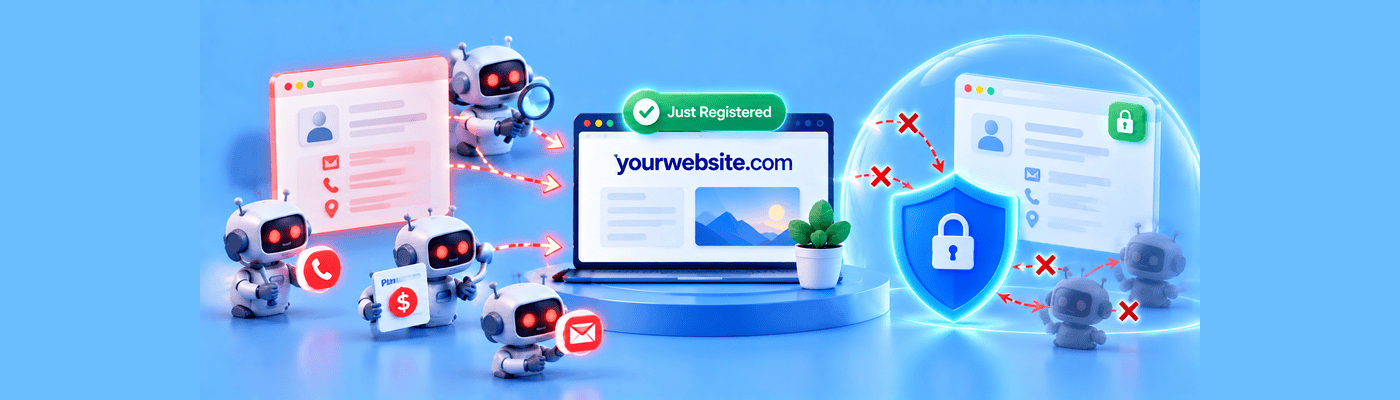
Can AI Outsmart the Next Cyber Pandemic Before It Strikes?

The linked digital world we live in now faces cyber threats that transform at a startling rate. The way AI fits into computer security represents a complete change in how businesses shield themselves against attacks that get smarter by the day. As digital dangers grow both in how often they happen and how tricky they are, a question pops up: can machine brains actually serve as our main defense against the next large-scale cyber outbreak?
The Rising Tide of Cyber Threats
The computer safety scene has shifted tremendously in recent times. What once was the territory of lone hackers has, in a way, morphed into well-organized criminal groups and government-backed invasions. This growth, at the end of the day, calls for equally advanced protective abilities, making AI security answers increasingly necessary for modern defense plans.
Companies now face an amount of threats never seen before, with some security centers handling millions of possible incidents each day. Old-school manual approaches just can't keep up to meet this challenge, creating, in other words, a perfect spot for AI tools for website security to do well.
How AI Transforms Cyber Defense
AI in cybersecurity pretty much changes the defensive stance from waiting to attacking first. By using learning formulas and huge sets of information, AI danger spotting systems can find patterns and weird stuff invisible to people looking at data.
Early Warning Systems
One of the most exciting uses of AI in cyber defense involves catching threats early. AI-powered systems look through enormous amounts of data across networks, finding subtle signs of trouble before regular systems would notice an attack. These early alerts, for instance, give a key advantage in stopping widespread computer incidents.
Smart AI threat detection platforms watch network traffic flows, how users act, and what systems do all the time. By setting up normal behaviors, these systems can flag things that might show a growing threat. This forward-thinking approach significantly cuts down the time attackers have inside broken-into networks.
Real-Time AI Threat Prevention
Quick response matters in computer security, and AI excels at fast action. Some AI-based security fixes can spot ransomware within moments of starting, giving almost instant protection. This immediate AI threat prevention skill offers a crucial edge when facing fast-moving attacks.
AI security automation goes beyond just finding to active defense, automatically putting in countermeasures when threats appear. This self-running response ability tackles the critical gap between finding threats and fighting them, especially outside normal work hours when human analysts might be sleeping.
Examples of AI in Cyber Defense
Several impressive real-world applications show how effective AI is in cybersecurity:
- Network Traffic Analysis: AI systems examine packet movements across networks to identify evil command-and-control communications, data stealing attempts, and other fishy activities.
- Endpoint Protection: AI-powered endpoint security tools monitor how systems behave to detect and block malware before it runs, even against previously unknown threats.
- Email Security: Advanced AI tools check email content, sender behavior patterns, and attachment features to block phishing tries and business email scams.
- Vulnerability Management: AI systems help decide which patches to do first by predicting which weaknesses attackers are most likely to use, focusing limited resources on critical problems.
Businesses using these AI cyber attack prevention technologies report big improvements in security position. For example, some organizations using AI-based security answers have cut false alarm rates by over 90% while also getting better at finding real threats.
Can AI Stop Hacking Attempts Completely?
Despite its amazing potential, AI is not a fix-all for cybersecurity. Several factors limit AI's effectiveness as a complete solution:
The AI Arms Race
As companies deploy AI for defense, hackers create AI-powered attacks. Security experts must recognize that AI tools give advantages to both defenders and attackers. The UK's National Cyber Security Centre warns that AI will likely increase both how many and how bad cyber attacks are in the coming years.
Technical Limitations
Even the smartest AI systems face challenges:
- False Positives: AI threat detection systems might flag normal activities as dangerous, potentially disrupting business operations.
- Explainability: Many AI formulas work like "black boxes," making it hard to understand why specific decisions were made.
- Data Quality: How well AI works depends totally on the quality and completeness of training data.
Improving Website Security with AI
For website operators, AI offers especially valuable defensive capabilities. By implementing AI tools for website security, organizations can:
- Detect Unusual Traffic Patterns: AI systems identify possible distributed denial-of-service (DDoS) attacks by recognizing abnormal traffic volumes or sources.
- Prevent Account Takeovers: Machine learning formulas detect strange login patterns or credential stuffing attempts, protecting user accounts.
- Block Malicious Bots: AI tells the difference between real users and automated scraping or hacking tools, preserving website performance and security.
- Identify Vulnerable Code: AI-powered scanning tools find security weaknesses in web applications before attackers can use them.
Using AI to lock down websites provides a significant advantage in a place where threats change quickly. Organizations using these solutions report huge drops in successful attacks and break-ins.
The Future of AI in Cybersecurity
The growth of AI in cybersecurity continues at a remarkable speed. Future developments will likely include:
- More Self-Running Security Operations: AI systems will increasingly work with minimal human oversight, making independent choices about threat response.
- Improved Threat Intelligence Integration: AI will better combine information from multiple sources to provide thorough threat assessments.
- Enhanced Predictive Capabilities: Advanced formulas will more accurately forecast coming threats before they show up.
As these technologies grow up, organizations that successfully mix AI into their security operations will gain major advantages in cyber toughness.
Conclusion
While AI in cybersecurity offers remarkable abilities for spotting and stopping cyber threats, it stays one piece of a complete security strategy. Organizations must pair AI-based security solutions with strong basic security practices, human know-how, and ongoing watchfulness.
The question isn't whether AI can completely prevent the next cyber pandemic, but rather how effectively we can use AI's abilities within a layered defense strategy. By thoughtfully implementing AI threat detection and response capabilities, organizations can substantially improve their security position against emerging threats.
The cyber battlefield continues to change, but with proper implementation of AI in cybersecurity, organizations can stay one step ahead of sophisticated attackers and minimize the impact of tomorrow's threats.
NameSilo Staff
The NameSilo staff of writers worked together on this post. It was a combination of efforts from our passionate writers that produce content to educate and provide insights for all our readers.