
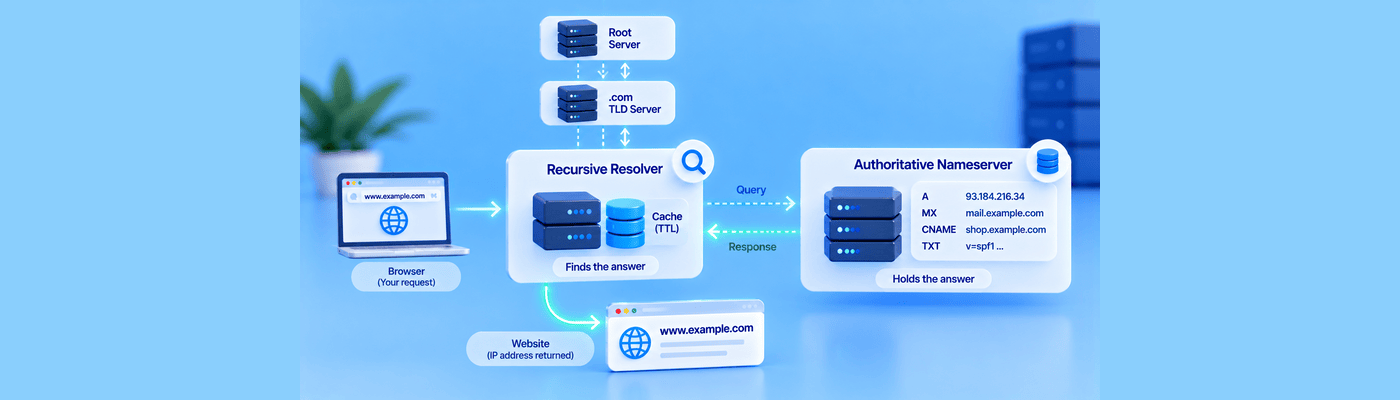
DNS
Authoritative vs. Recursive DNS Servers Explained
Learn the difference between recursive DNS resolvers and authoritative nameservers, how caching works, and where each fits in a DNS lookup.
A little insight goes a long way. Find your next good read.
Learn the difference between recursive DNS resolvers and authoritative nameservers, how caching works, and where each fits in a DNS lookup.

Learn how glue records work, why custom nameservers need them, and how agencies can configure branded nameservers such as ns1.yourdomain.com.

EPP status codes come in two layers: client codes (set by your registrar, self-removable, like clientTransferProhibited) and server codes (set by the registry itself, often tied to legal disputes or Registry Lock, like serverUpdateProhibited). Knowing which layer set a flag is essential before troubleshooting any API rejection.
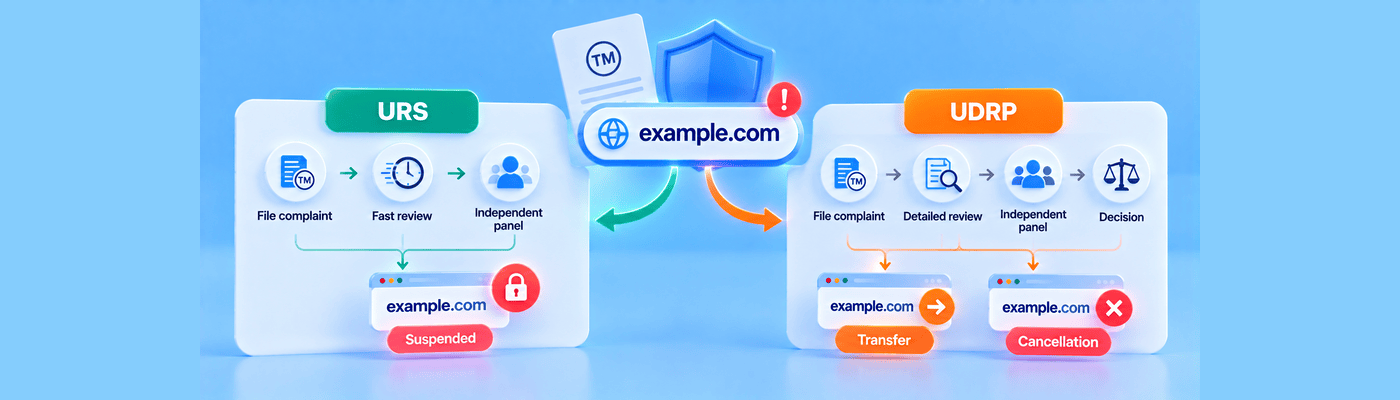
Compare URS and UDRP domain disputes, including cost, speed, evidence standards, eligible extensions, and available remedies.

The DNS root zone is the top of DNS hierarchy, listing every TLD's nameservers. It's hosted on 13 named root server identities (A-M), which Anycast routing expands into over 2,000 physical instances worldwide. IANA maintains the file; the root has never suffered a complete outage, even under major DDoS attacks.

A domain hack spells a word using the domain plus extension together, like bit.ly or instagr.am. Popular ccTLD targets include .ly, .me, .io, and .to, but each carries real geopolitical risk: Libya seized vb.ly in 2010, and .io itself faces long-term uncertainty following the UK's 2024 Chagos Islands sovereignty transfer to Mauritius.
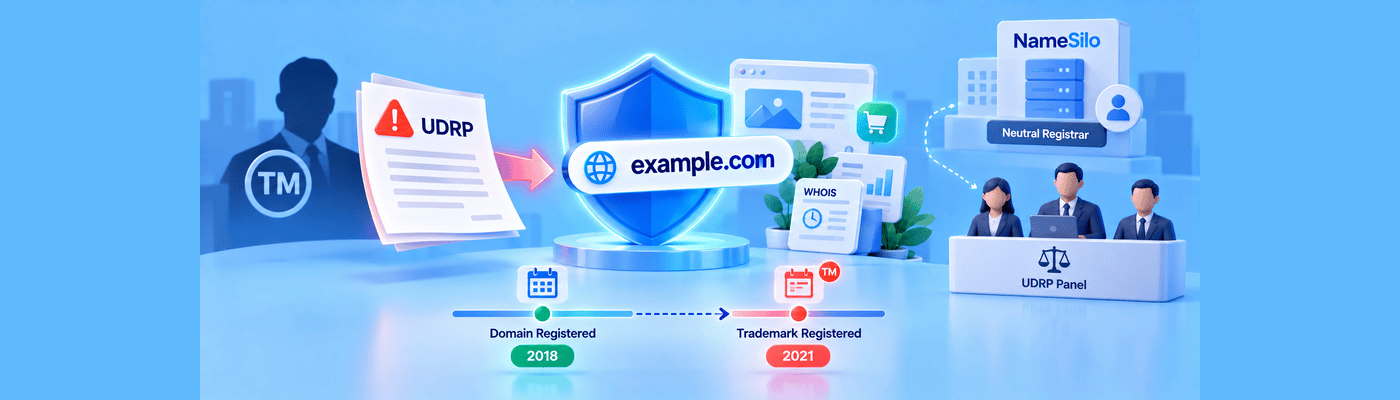
Defend against RDNH by proving your domain predates the complainant's trademark, the chronological defense a February 2026 panel decision confirmed as decisive. Respond within roughly 20 days, request an RDNH finding if the complaint was abusive, and know that registrars remain neutral, implementing panel decisions rather than deciding disputes themselves.
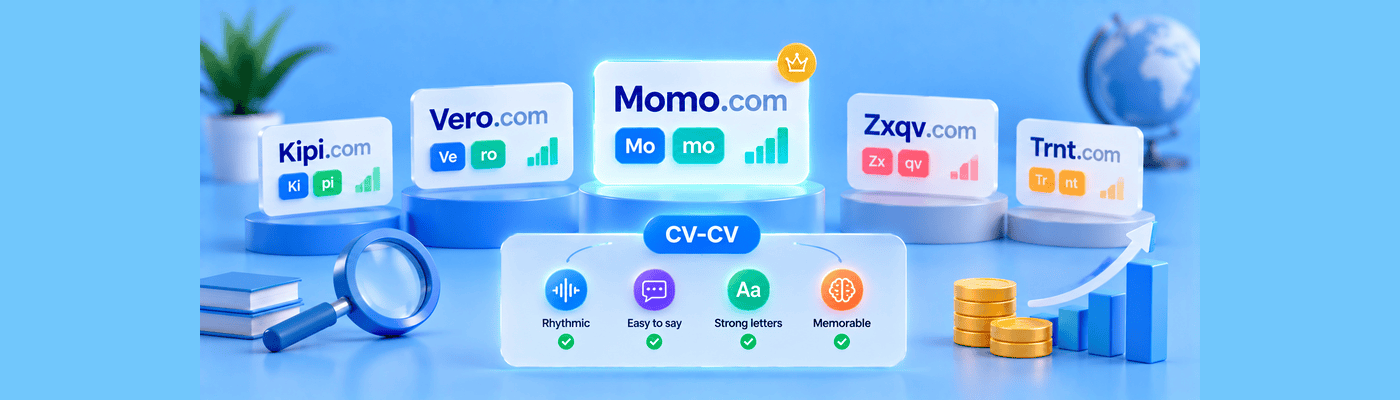
CVCV domains alternate consonants and vowels for natural pronounceability across languages. Value depends on premium letter usage (roughly 6,084 premium-only combinations exist), avoiding difficult letters like Q, X, Z, and whether the pattern repeats (Momo, Lulu). A real CVCV sale, Kipi.com, brought $11,100 at auction.
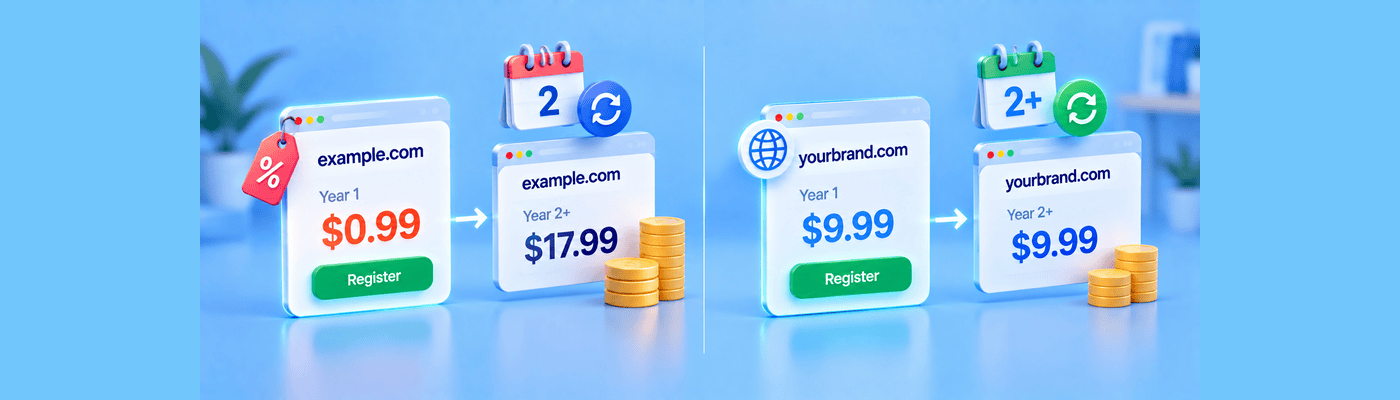
Many registrars sell first-year domains below the actual Verisign wholesale cost, then recover the loss with inflated renewal pricing. NameSilo doesn't run loss-leader promos; discounted pricing only reflects a temporary registry-level rate passed through directly, with standard renewal pricing matching registration and the Discount Program applying equally to both.

Set up a custom email tracking subdomain via CNAME to replace your platform's generic, shared tracking links with your own branded domain. For HTTPS, add the SSL validation records too, not just the tracking CNAME. This closes a link-mismatch gap flagged by anti-phishing heuristics, separate from DMARC, which only evaluates the From header against SPF/DKIM.

Learn why newly registered domains attract spam calls and emails, how scammers discover fresh registrations, and how WHOIS privacy helps reduce exposure.
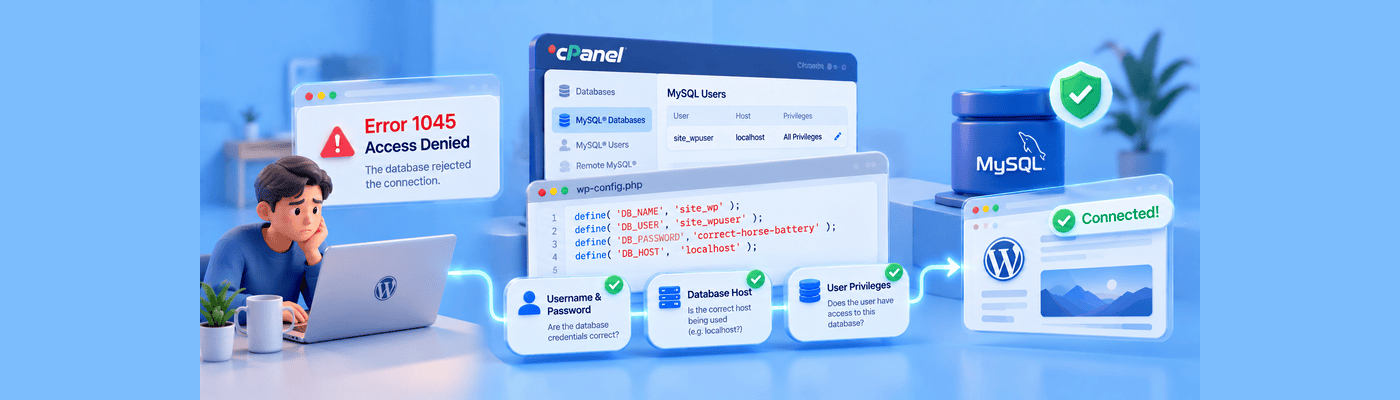
Learn how to fix MySQL Error 1045 by checking database credentials, user permissions, and WordPress configuration settings in cPanel.