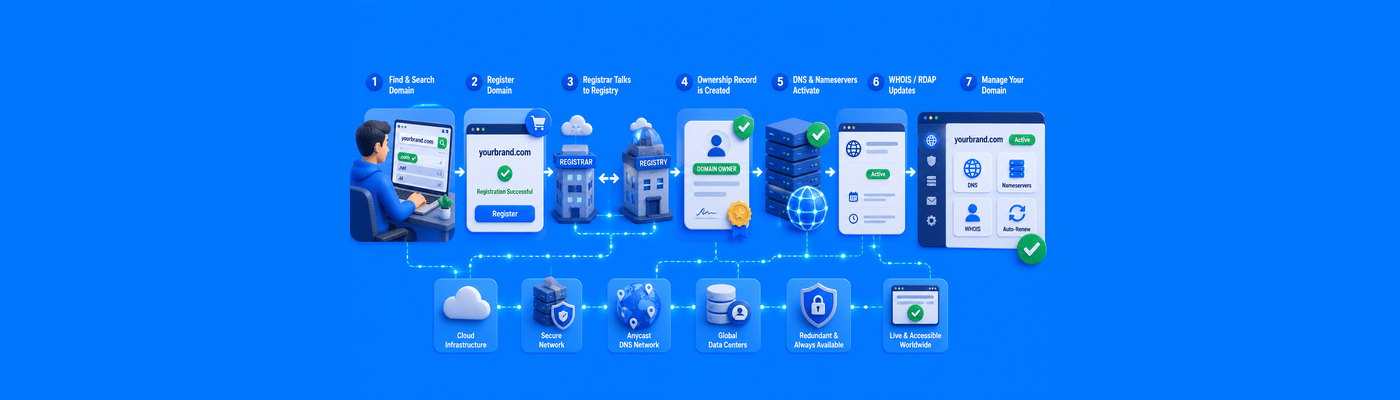
What Actually Happens When You Register a Domain Name? Behind the Scenes of Your Purchase
Discover what happens behind the scenes after you register a domain name, from registry communication and ownership records to DNS and domain management.

A little insight goes a long way. Find your next good read.

Discover what happens behind the scenes after you register a domain name, from registry communication and ownership records to DNS and domain management.

Learn what really happens after you click "Connect Domain," from DNS updates and SSL certificates to website provisioning and internet propagation.

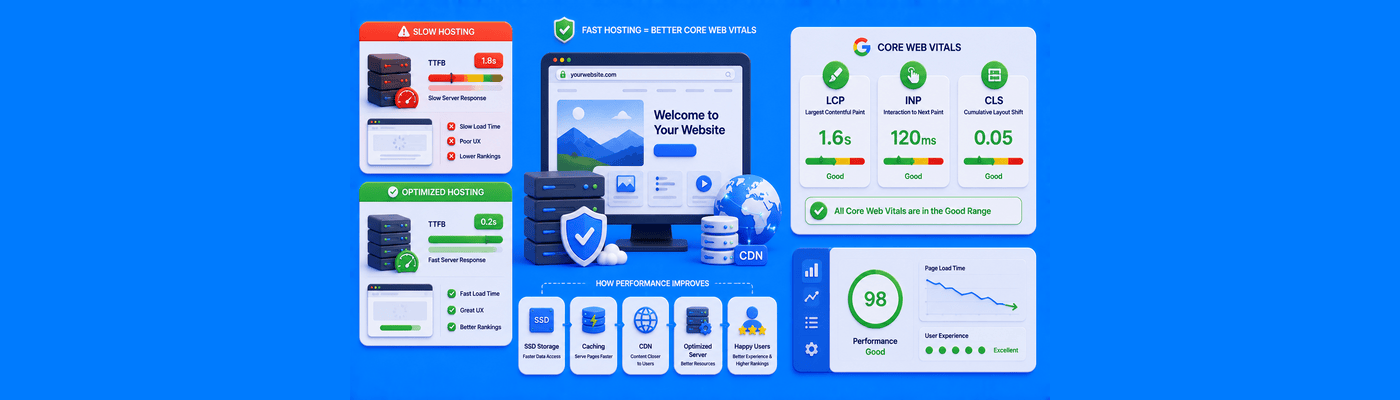
Core Web Vitals (LCP, INP, CLS) are a confirmed Google ranking tiebreaker. TTFB sets an unavoidable floor under your LCP score; no front-end optimization can fix a slow server. Test TTFB first, then address caching, CDN, and hosting resources before chasing plugins.

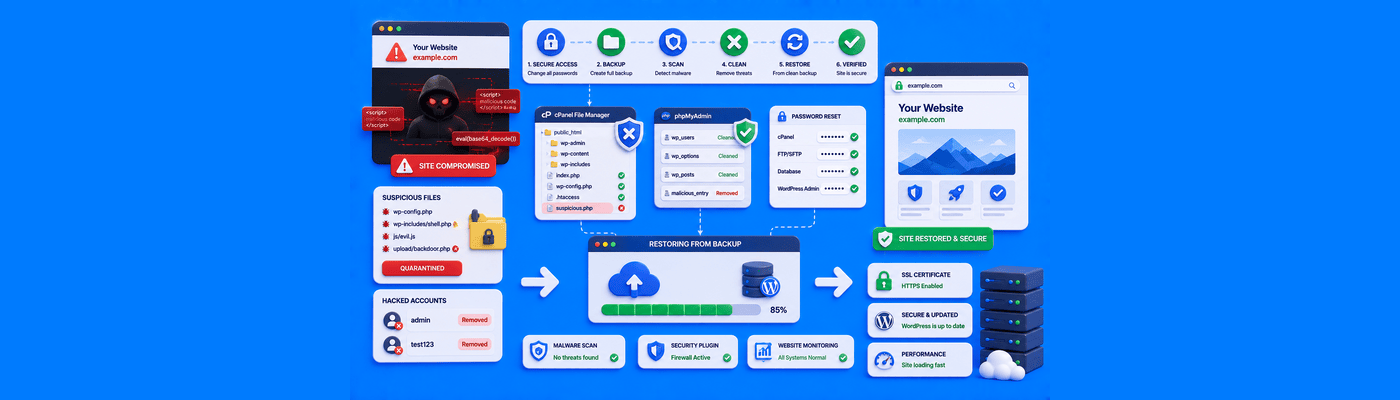
Recover a hacked WordPress site by resetting all passwords in order, restoring a scanned clean backup, or manually replacing wp-admin and wp-includes. Backdoors hidden in wp-content/uploads are the top cause of reinfection. Always scan a backup before restoring it.

Stop contact form spam using a honeypot hidden field plus invisible verification like reCAPTCHA v3 or Cloudflare Turnstile. Avoid reCAPTCHA v2 checkboxes, which hurt conversion and accessibility. Note: reCAPTCHA's free tier is now capped at 10,000 assessments/month after its 2025 Google Cloud migration.

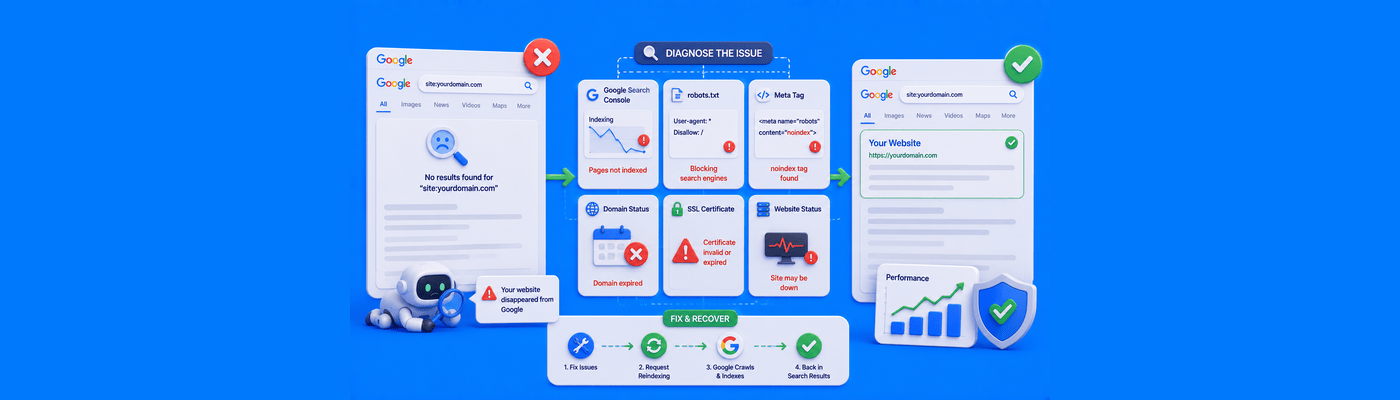
Use site:yourdomain.com first to check if pages are indexed or ranking dropped. If zero results, check for domain expiration, noindex tags, robots.txt blocks, or a Manual Action in Search Console under Security & Manual Actions. Never redesign your site before diagnosing the cause.

A redirect chain (A > B > C) wastes crawl budget and slows load times. Googlebot abandons chains after roughly 10 hops. The most common cause is HTTP to HTTPS to WWW stacking. Fix by flattening .htaccess or Nginx rules into a single 301 redirect straight to the final URL.

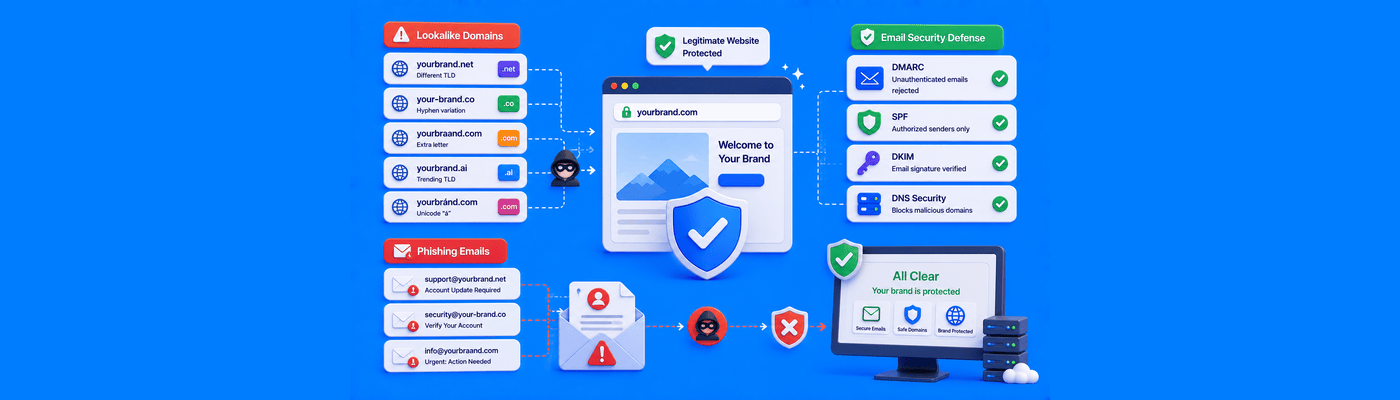
Homoglyph attacks use visually identical characters from other alphabets to fake your domain. BEC caused $3.05 billion in losses in 2025 per FBI IC3. Defend with proactive domain registration across TLDs plus DMARC p=reject; DMARC alone cannot stop lookalike domains, since they are separate valid domains.

Audit your own Cloudflare setup for origin IP exposure: unprotected MX and subdomains, historical DNS records, and certificate transparency logs. Enabling the orange cloud alone does not erase a previously public IP. Lock the origin firewall to Cloudflare's IP ranges to close the gap.

Connect a custom domain to Medium (profile or publication) using two A records: 162.159.153.4 and 162.159.152.4 on host @. Disable any proxy service first; Medium requires DNS-only resolution. Verification takes up to three days. Subdirectories are not supported.

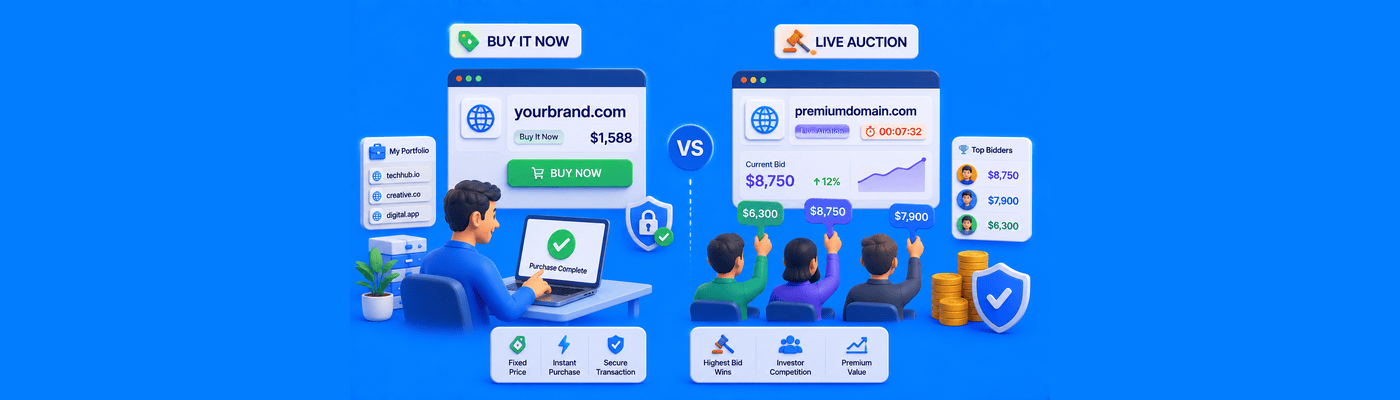
Fixed Price listings work best for 95% of domains by capturing end-user impulse buyers who rarely browse auction boards. Auctions suit short generic keywords with multiple bidders. NameSilo Marketplace charges a flat 7.5% commission, versus 15-30% industry average, with no listing fees.

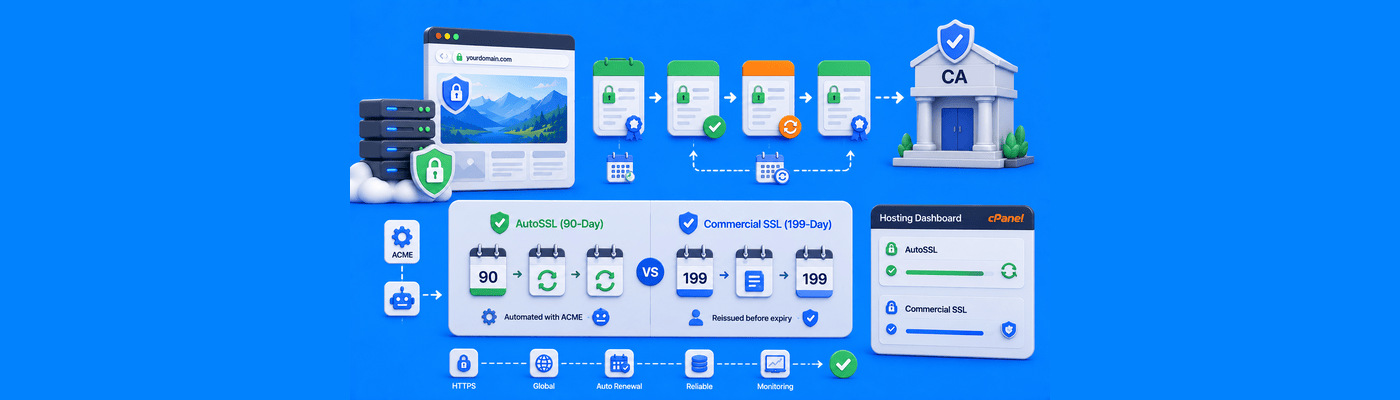
Certificate lifespans have shortened industry-wide by CA/Browser Forum mandate. AutoSSL certificates renew every 90 days automatically. Commercial certificates from NameSilo now issue for up to 199 days, with free reissuance during your paid 1-5 year term. This is normal, not a system error.