

Domain Name Search
Understanding gTLDs vs. ccTLDs vs. nTLDs
Learn the differences between gTLDs, ccTLDs, gccTLDs, and new TLDs, including how they affect branding, availability, geography, and SEO.
A little insight goes a long way. Find your next good read.
Learn the differences between gTLDs, ccTLDs, gccTLDs, and new TLDs, including how they affect branding, availability, geography, and SEO.

Learn why shorter domain names can be more memorable and valuable, attract direct traffic, and reduce spelling and mobile typing friction.
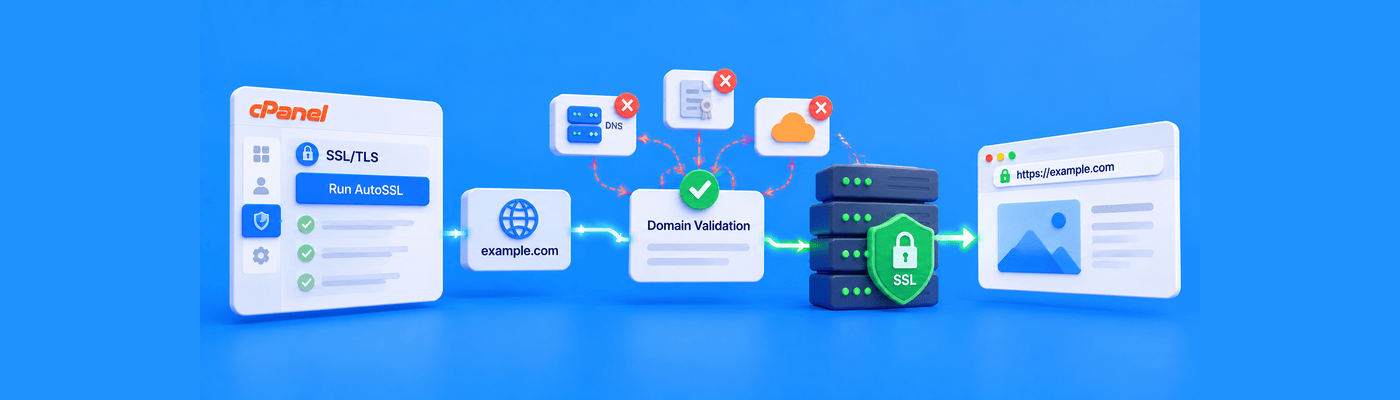
Fix AutoSSL DCV failures by confirming your domain points to your hosting IP or NameSilo's hosting nameservers (ns1.hostsilo.com, ns2.hostsilo.com), deleting any conflicting self-signed certificate in SSL/TLS, then re-running AutoSSL. Free AutoSSL is included on Turbo hosting only; paid SSL is available for other plans.
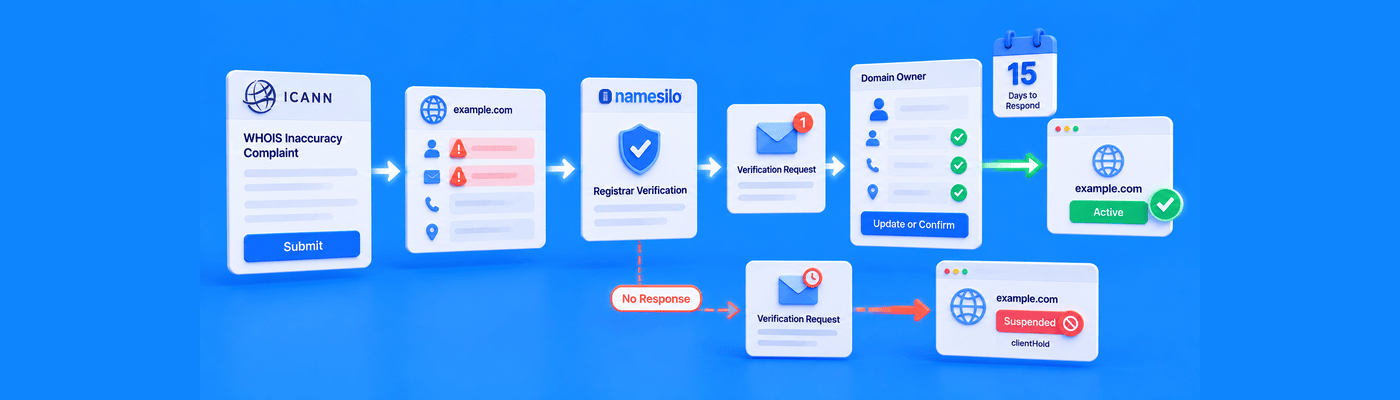
Learn how ICANN WHOIS inaccuracy complaints work, what registrars must investigate, and why keeping your domain contact information accurate matters.
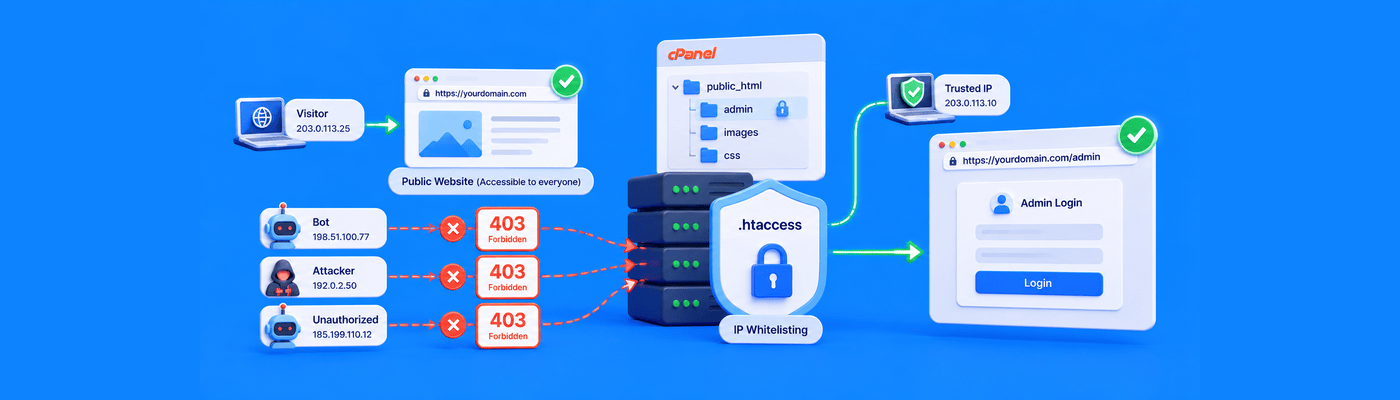
Learn how to secure admin directories with .htaccess IP whitelisting, block unauthorized access, and handle dynamic IP addresses safely.
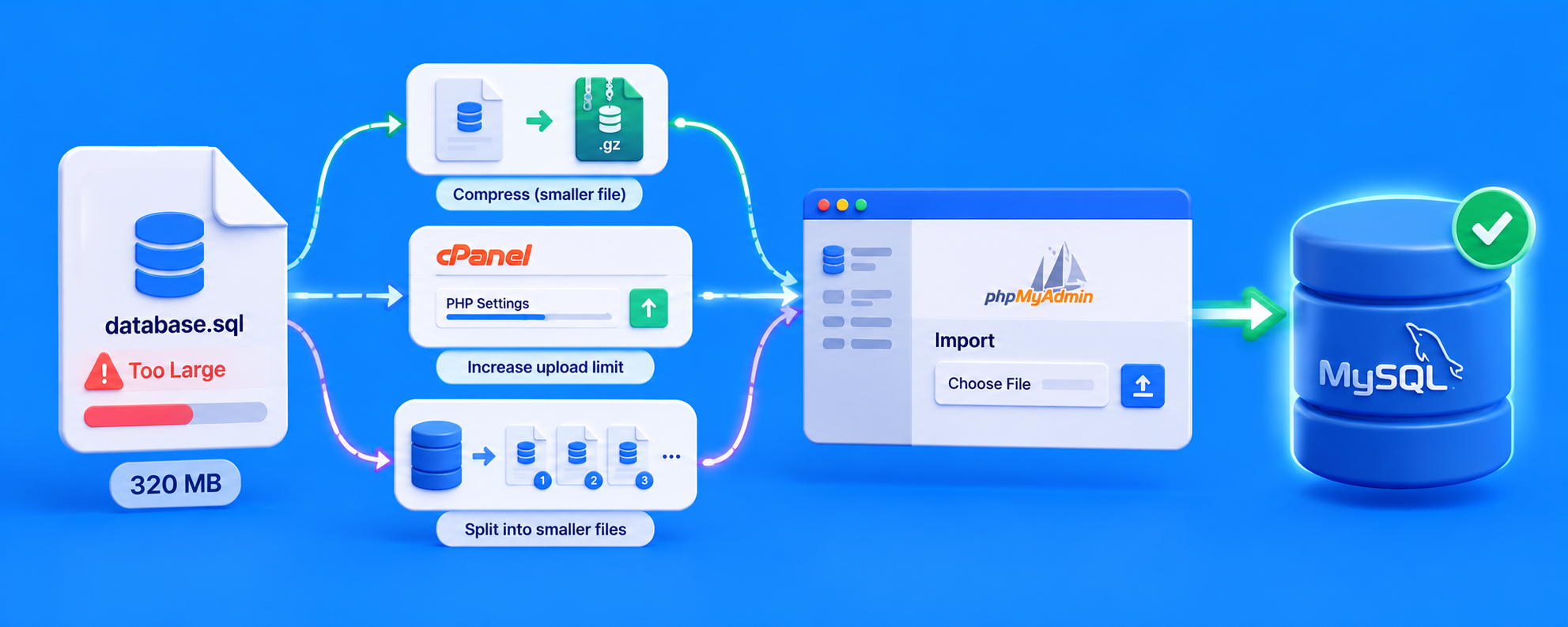
Learn how to import large SQL files in phpMyAdmin by compressing backups, increasing PHP upload limits, or using BigDump without SSH access.
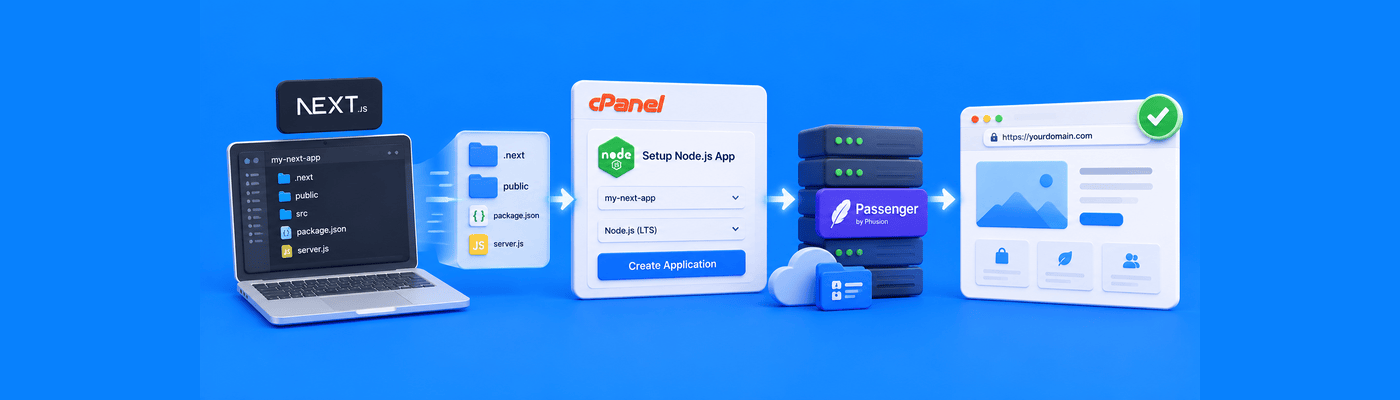
Learn how to deploy Next.js on cPanel using Setup Node.js App and Phusion Passenger, from the local build to server.js and production setup.

Learn how to align domain renewal dates using prorated extensions, simplifying billing and renewal management across large domain portfolios.

Learn how to block bad bots and malicious user agents with .htaccess, return 403 errors, and protect your server from aggressive crawlers.

Fix Chrome’s “Not Secure” warning by installing an SSL certificate, forcing HTTPS, and checking your website for mixed HTTP content.

A 550 5.1.1 error means the recipient mailbox doesn't exist, a permanent hard bounce, not a sender-side problem. Common causes: typos or a deleted account after an employee leaves. Remove the address from your list immediately after the first bounce to protect your domain's sending reputation.

Enable cPanel's Hotlink Protection (Security section) to block other sites from embedding your images directly. Add your domains and subdomains to the allowed list, and enable blank-referrer requests, not a Googlebot referrer whitelist, since search crawlers request images with no referrer at all, to keep image SEO intact.